
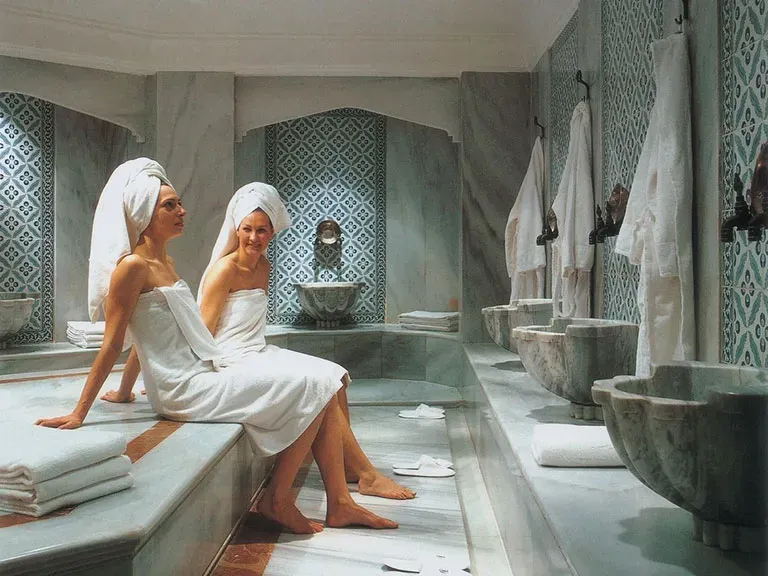
Turkish bath ritual is a warmth-filled ceremony where water, heat, and mindful care come together to refresh the body, soothe the tired muscles, and quiet the mind after a long day spent in hurry and noise. As a hammam ritual, the experience unfolds through a sequence of softly lit rooms, each warmer than the last, inviting you to slow your pace, listen to your breath, and surrender to a steady, ceremonial rhythm. The steam bath softens the skin, opens pores, and primes you for exfoliation with a traditional Turkish bath kese mitt, while the attendants’ murmured choreography adds a calm, ceremonial cadence. In many settings, scented oils are brushed on for moisture, subtle fragrance, and skin nourishment, leaving a lingering sense of relaxation that carries into afterward moments of quiet reflection. From the first gentle steps to the final rinse and oil finish, this thoughtfully designed ritual centers cleansing, renewal, and a ceremonial calm that travels with you into daily life.
Viewed through a broader wellness lens, this ritual transcends borders to stand as a timeless spa tradition that centers warmth, cleansing, and mindful breathing. In Latent Semantic Indexing-inspired terms, you can think of it as a hammam-inspired spa ceremony, a steam room tradition, or a bathhouse ritual that signals aromatherapy and self-care. The core sequence—gentle heat, cleansing rinse, exfoliation, and moisturizing touch—maps onto related ideas such as steam bath therapy, scented oils, and traditional spa rituals across cultures. Whether experienced in a grand facility or a simple home setup, the practice invites pause, sensory awareness, and a sense of cultural connection that extends beyond the session.
Starting the Turkish bath ritual: Initiating the Steam Bath Journey
Entering the warm, inviting space of the steam room, you feel the air become a gentle embrace around your skin. The steam bath slowly loosens tension in your shoulders and back, inviting a mindful pause before movement. In this moment, the Turkish bath ritual begins as a dance between heat, humidity, and breath—a prelude that hints at the deeper cleanse to come.
As you acclimate, you notice the space guiding you through a sequence of warmth and stillness. The goal is gradual heat exposure, giving your body time to perspire and your mind a chance to settle. Hydration becomes part of the ritual itself, a quiet, steady rhythm that supports the body through the first, most intimate stage of the hammam experience.
Exfoliation and Renewal: The Kese Mitt in the Hammam Ritual
Exfoliation is the defining renewal moment of this journey. The kese mitt, a rough exfoliating glove, invites dead skin to yield to a deeper, brighter layer beneath. With firm, controlled strokes, the skin is awakened and circulation is stimulated, revealing a smoother canvas that prepares you for the next phase of cleansing and relaxation in the hammam ritual.
Communicating with the attendant about pressure and pace ensures the experience remains comfortable and rejuvenating. If you’re practicing at home, your kese mitt can mimic the same rite, allowing you to honor the tradition of exfoliation and feel the skin’s renewal without compromising sensitivity.
Cleansing and Purification: Gentle Soap, Water, and Rhythm
Following exfoliation, a gentle cleansing begins with a mild, moisturizing soap that works with the skin’s softened surface. This cleansing step lifts sweat and impurities, setting the stage for a deeper, more effective cleanse. The emphasis remains on patience and moisture, rather than harsh scrubbing, so the skin remains balanced as the ritual unfolds.
A careful rinse follows, washing away loosened skin cells and soap residues to prepare the body for the next layer of relaxation. In many traditional Turkish baths, attendants assist with rinsing, aiding a graceful transition from cleansing to the luxurious oils and aromatics that conclude the experience.
Oils, Aromas, and Relaxation: The Scented Oils Phase
The scented oils phase brings the body to a plush, comforting finish. Plant-based oils such as olive or grape seed are often used, sometimes enhanced with delicate aromatics like rose, lavender, or eucalyptus. This final touch seals moisture, leaving the skin supple and lightly perfumed, while the aromatic oils contribute to a lasting sense of serenity that defines the Turkish bath ritual.
A light massage may accompany the oils, easing muscle tension and promoting circulation. The combination of hydration, aroma, and touch offers a holistic sense of well-being that lingers well after you step away from the hot rooms, reflecting the timeless appeal of the traditional Turkish bath.
Post-Ritual Care and Etiquette: Rest, Hydration, and Home Adaptations
After the oils have absorbed, a period of rest in a quiet space completes the journey. Hydration—water or a soothing herbal infusion—helps the body reawaken gradually, while gentle stretches support circulation and balance. Observing etiquette in shared spaces enhances the experience for everyone, from the pace of movement to modesty wraps and respectful conversation.
If you’re recreating the ritual at home, there are simple ways to preserve the essence: a steady steam setup, a quality kese mitt, a mild cleansing soap, and a curated selection of scented oils. Create a dedicated ritual space, light a candle, and move through the steps—steam, cleanse, exfoliate, rinse, and oils—at a comfortable tempo. This home adaptation keeps the spirit of the hammam ritual alive, helping you maintain the benefits of the practice in daily life.
Frequently Asked Questions
What is the Turkish bath ritual (hammam ritual) and how does it differ from a standard steam bath?
The Turkish bath ritual, or hammam ritual, is a multi-stage spa journey that uses progressive heat, cleansing, exfoliation, and scented oils. It goes beyond a simple steam bath by guiding you through warm rooms to open pores, a kese exfoliation to renew skin, and an oil finish that nourishes and relaxes the body.
How does exfoliation (kese) fit into the hammam ritual and what should I expect?
Exfoliation is a defining element of the Turkish bath ritual. Using a kese mitt, it removes dead skin, boosts circulation, and reveals smoother skin. Communicate pressure with the attendant and start gently if you’re new; at home, use a mild exfoliant and a steady, heartward stroke.
What is the role of scented oils in the traditional Turkish bath?
Scented oils in the traditional Turkish bath help lock in moisture and provide aromatherapy. Oils like olive or grape seed are often used, sometimes with rose, lavender, or eucalyptus. A light massage with these oils enhances relaxation and skin hydration.
What does a typical hammam ritual sequence look like from arrival to rest?
Expect a gradual acclimation to warmth, steam bathing to soften skin, a gentle soap cleanse, kese exfoliation, a thorough rinse, an oil finish, and finally rest and hydration. Etiquette and slow pacing help maximize relaxation and skin benefits.
How can I recreate a Turkish bath ritual at home safely?
At home, recreate the core steps with a steam setup or hot bath, a kese mitt for exfoliation, mild soap, and a small selection of scented oils. Patch-test oils, avoid over-exfoliating, hydrate, and end with a quiet rest to mimic the ritual’s balance.
| Aspect | Key Points |
|---|---|
| What it is | The Turkish bath ritual is a tradition-led cleansing and wellness ceremony blending warmth, water, and aromatic care; the hammam experience emphasizes relaxation, physical renewal, and ceremonial calm. |
| Distinctive elements | Sequence of spaces with progressively warmer rooms, controlled temperatures/textures, and social etiquette that elevate a simple wash into a curated wellness journey; purification, exfoliation, and aromatics. |
| Preparing for the Experience | Focus on comfort and safety: lightweight clothing or wraps, towels, hydration, and avoiding heavy fragrances; check oils/soaps if sensitive; at home, recreate with steam, kese mitt, mild soap, and gentle oils. |
| Step-by-step experience (7 stages) | 1) Arrival and acclimation; 2) Steam phase; 3) Cleansing with mild soap; 4) Exfoliation with kese; 5) Rinse; 6) Oils/massage; 7) Rest and post-care. |
| Safety, etiquette, and variations | Shared spaces demand respect, modesty or wraps, and staff guidance; use towels; patch-test sensitive skin; consult staff for medical concerns; at-home adaptations are possible with safe products and proper setup. |
| Benefits | Physical and mental gains: open pores and sweating, improved skin texture, cleansing, relaxation, better circulation, and mindful self-care that supports overall wellness. |
| Post-ritual care | Hydration, gentle moisturizer, rest, and limited sun exposure after exfoliation; maintain glow through a patient skincare routine. |
| Keywords and discussion | Intersections with hammam, steam bath, exfoliation, and aromatherapy; the core sequence remains steam, cleanse, exfoliate, rinse, moisturize, and rest. |
Summary
Turkish bath ritual invites a slow, descriptive journey through heat, water, and renewal that honors tradition while supporting modern wellness. Throughout this Turkish bath ritual, steam softens the skin, exfoliation reveals brightness, and the oils seal moisture, culminating in a lingering sense of calm. By stepping through each stage with awareness of space and etiquette, you cultivate relaxation, improved circulation, and a mindful return to daily life. Whether experienced in a dedicated hammam or recreated at home, the Turkish bath ritual offers a timeless path to renewal, balance, and sensory well-being.

