
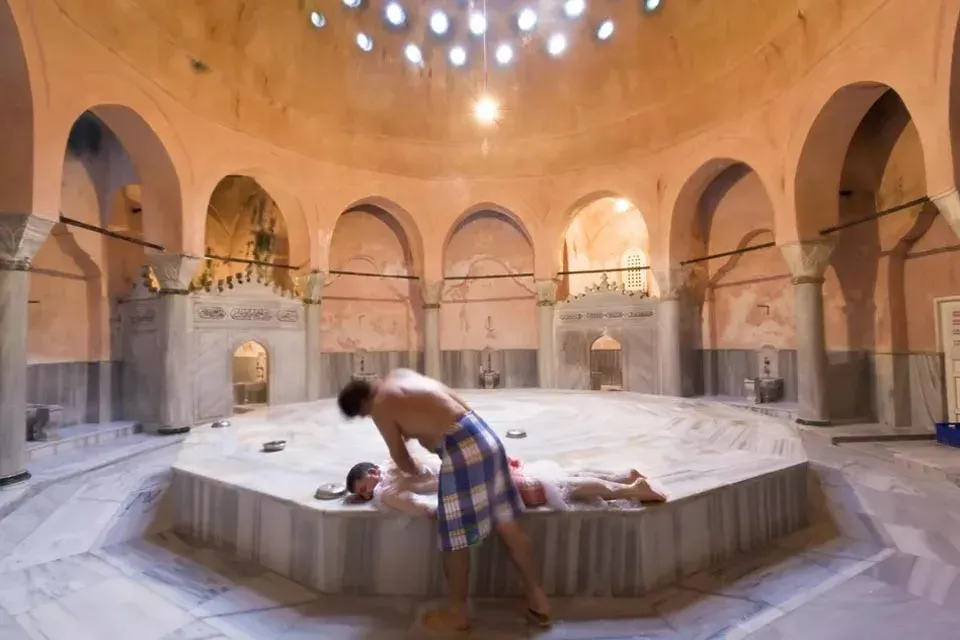
If you’re curious about the Turkish bath, you’re about to discover a centuries-old ritual that blends architecture, steam, and social space. Known as a hammam in many regions, this bathhouse tradition invites a sense of ceremony as much as cleansing. Compared with a modern spa, the Turkish bath emphasizes communal heat, exposed marble, and a sequence of cleansing steps that many travelers describe as a cultural immersion, with bathhouse etiquette shaping the guest experience. Expect steam, exfoliation with a kese, foaming massages, and a final oil rub that nourishes the skin—elements highlighted in traditional Turkish bath treatments. If you’re choosing between this tradition and a spa, this guide helps you weigh rituals, atmosphere, and practical tips to decide what to expect on your trip.
In many regions, the experience is best described as a hammam—a steam-driven bathhouse ritual rooted in Ottoman culture. This lineage includes traditional Turkish bath treatments, where heat, scrub, and massage play central roles in cleansing and relaxation. Compared with a modern spa, the focus stays on shared spaces, patient pacing, and cultural etiquette rather than private suites. Using terms like hammam, bathhouse ritual, or steam bath helps connect related ideas—such as what to expect from a Turkish bath and bathhouse etiquette—with broader wellness conversations.
Understanding the Hammam: Origins, Architecture, and the Turkish Bath Experience
The hammam, or Turkish bath, traces its roots to centuries of Mediterranean and Middle Eastern bathing culture, most prominently shaped during the Ottoman era. It is more than a cleaning ritual; it is a social and architectural experience designed to engage the senses and the body. Traditional hammams typically feature a sequence of rooms with varying temperatures, grand domes, and marble surfaces that retain heat and moisture, creating an atmosphere that invites relaxation and purification. This setting makes the experience feel like stepping into a living museum of ritual cleanliness.
As a cultural hub, the hammam blends architecture with ritual—the heat, steam, and the subtle choreography of cleansing work in harmony with etiquette and social interaction. In many places, the design ranges from opulent urban baths with marble and intricate details to simpler neighborhood bathhouses, each offering a doorway into local customs. For travelers, the authentic hammam is as much about connecting with history as it is about cleansing the body, making the experience a memorable cultural immersion.
Turkish Bath vs Spa: How Rituals, Atmosphere, and Social Dynamics Differ
When comparing a Turkish bath to a modern spa, the differences go beyond services on a menu. A Turkish bath emphasizes communal warmth, ritual cycles, and publicly shared spaces rather than private treatment rooms. The atmosphere invites conversation and a social rhythm—steam, scrubbing, and massage unfold as a collective experience rather than a solitary one. This social dimension is a defining characteristic that shapes how you participate, tip, and move through the spaces.
In contrast, a spa often prioritizes privacy, individualized service, and a quiet, tailored ambiance. Treatments are typically arranged in private rooms with personal therapists, and the menu leans toward targeted therapies like facials, massages, and hydrotherapy. For travelers deciding between the two, the choice often comes down to whether you crave historical ritual and communal warmth (Turkish bath) or private, customized therapies (spa). This distinction also ties into bathhouse etiquette and expectations for attire and interaction in each setting.
Core Treatments in a Traditional Turkish Bath: Kese, Foam, and Oil Massage
Traditional Turkish bath treatments weave cleansing, exfoliation, and massage into a cohesive ritual. A key element is kese exfoliation, performed with a coarse mitt that removes dead skin and stimulates circulation, often followed by a thorough rinse. This step is central to the traditional Turkish bath experience and is usually carried out by a trained attendant who guides you through the process with skill and care.
Following exfoliation, a foaming soap massage smooths the skin and eases muscle tension, creating a sense of renewal. The session often ends with an oil massage—using olive or perfumed oils—that helps seal moisture and leave the skin supple. While the core elements remain consistent, some hammams offer regional variations, aromatherapy options, or private spaces to enhance comfort and privacy for guests seeking classic or intensified traditional Turkish bath treatments.
What to Expect from a Turkish Bath: A Sensory and Ritual Journey
What to expect from a Turkish bath is a journey through heat, moisture, texture, and touch. Guests begin in a dressing area, wrap in a pestemal or robe, and progress through a sequence of steam-filled rooms designed to soften the skin and relax the muscles. The ritual typically culminates in a body scrub, foam massage, and a soothing oil finish, often in a setting that encourages calm, reflection, and social interaction.
Beyond the physical steps, the experience carries a cultural cadence—the etiquette, the pacing, and the shared spaces all contribute to a lasting impression. A well-paced hammam session invites hydration, quiet rest after the heat, and an appreciation for the tradition that values cleansing as a social and spiritual act as much as a bodily one. If you’re curious about what to expect from a Turkish bath, approach it with patience and openness to the ritual’s unique atmosphere and timing.
Bathhouse Etiquette and Practical Tips for First-Timers
Understanding bathhouse etiquette helps you navigate a Turkish bath with respect and ease. Dress codes vary by facility, but you’ll often wear a pestemal (a lightweight towel) or wrap, and some places maintain gender-specific sections or times. Observing the local norms around modesty, tipping, and interactions with attendants is part of the experience and contributes to a comfortable environment for everyone.
Practical tips for first-timers include planning ahead to book popular times, bringing essentials such as sandals, a towel, and any preferred skincare products, and staying hydrated before and after the session. If you prefer more privacy, ask about private suites or spa-like options within a hammam facility. Being aware of health considerations—such as pregnancy, skin sensitivities, or cardiovascular concerns—and communicating your needs to attendants helps ensure a safe, enjoyable visit that aligns with bathhouse etiquette and personal comfort.
Frequently Asked Questions
What is a Turkish bath (hammam) and how does it differ from a spa?
A Turkish bath, or hammam, is a traditional cleansing ritual built around steam rooms, heat, exfoliation, and massage, typically in a social or semi-public space. Compared with a modern spa, hammams emphasize shared rituals, architectural ambiance, and community etiquette, with gender-segregated options in many places. A typical sequence includes warm rooms, kese exfoliation, foam massage, and a final oil or hydration step.
What should I expect from a Turkish bath experience?
Expect a guided progression from warm to hot rooms, followed by exfoliation with a kese, a foam massage, and often an oil finish. Attendants may perform the treatments, and privacy or gender rules vary by facility. Plan for about 60 to 90 minutes, bring a pestemal (wrap), and stay hydrated throughout.
What are traditional Turkish bath treatments, and how are they performed in a hammam?
Traditional Turkish bath treatments blend heat, cleansing, and massage. The kese exfoliation removes dead skin, a foaming massage soothes muscles, and an oil application helps hydrate the skin. An attendant (tellak or natır) may guide or perform the service, and some hammams offer aromatherapy or private spaces.
What is bathhouse etiquette when visiting a Turkish bath?
Dress in a pestemal or wrap, and follow local rules about clothing and gender-separated areas. Be mindful of others, speak softly, avoid strong fragrances, and note that tipping practices can vary by facility. Don’t hesitate to ask staff about specific etiquette and available services to ensure a respectful visit.
How do I choose between a Turkish bath and a spa when traveling?
If you’re seeking a culture-rich, social cleansing ritual with steam, exfoliation, and massage, a Turkish bath offers a distinctive hammam experience. If you prefer privacy, customized therapies, and a broad menu of treatments, a spa may be a better fit. Some facilities blend hammam elements within a spa setting to offer the best of both worlds.
| Aspect | Key Points |
|---|---|
| Origins and cultural context | Mediterranean and Middle Eastern roots; modern form linked to the Ottoman era; hammams served as social hubs; architectural variety from grand marble interiors to simple neighborhood baths; travelers seek authentic hammam experiences to connect with history and body. |
| What a Turkish bath entails | Dressing area with pestemal or robe; traditional settings may be gender-segregated; sequence through steam-filled rooms, starting in a warm space and progressing toward hotter areas; a göbek taşı (belly stone) is common for acclimation; kese exfoliation; tellak (male) or natır (female) for soap massage; oil finishes and hydration. |
| Treatments and rituals you may encounter | Steam and heat exposure; kese exfoliation; foaming massage; oil massage; hydration and rest after treatment; additional experiences may include aromatherapy steam, bubble massages, or private spaces; availability varies by facility. |
| What to expect in a Turkish bath vs a spa | - Hammam emphasizes ritual, community, and shared spaces; tradition of social ambiance; - Spa emphasizes privacy, customization, and private treatment rooms; broader service menus. |
| Etiquette, tips, and practical planning | - Dress in pestemal or towel; – in traditional settings, spaces may be gender-segregated; - Ask about private options and tipping norms; - Hydration and timing; a typical session lasts about 60–90 minutes; - Hygiene, respect, and following facility guidelines; - Health considerations: consult a doctor if you have conditions. |
| Health considerations and aftercare | - Listen to your body; if lightheaded or unwell, move to a cooler area or end session; - Rinse with cool water and apply a moisturizer after; - For sensitive skin, consult a dermatologist or spa professional about suitable products; - Inform attendants of sensitivities or health concerns. |
| Incorporating a Turkish bath into your wellness routine | - Can be part of a broader travel experience or regular self-care; - Complements spa treatments like facials or massages; - Supports skin conditioning, muscle relaxation, and mental calm; - When planned thoughtfully, it can enhance overall wellness goals. |
Summary
Turkish bath offers a sensory voyage into a centuries-old tradition where steam, stone, and skilled touch converge to cleanse, relax, and renew. In hammam spaces, visitors move through warming rooms, exfoliating rituals, and soothing massages, all within a social, ritual-rich atmosphere that evokes history and culture as much as wellness. The experience balances communal warmth with individual renewal, making it a memorable encounter for travelers and locals alike. When you seek a meaningful, textured cleanse that engages body and mind, a Turkish bath delivers a distinctive path to relaxation and renewal.