
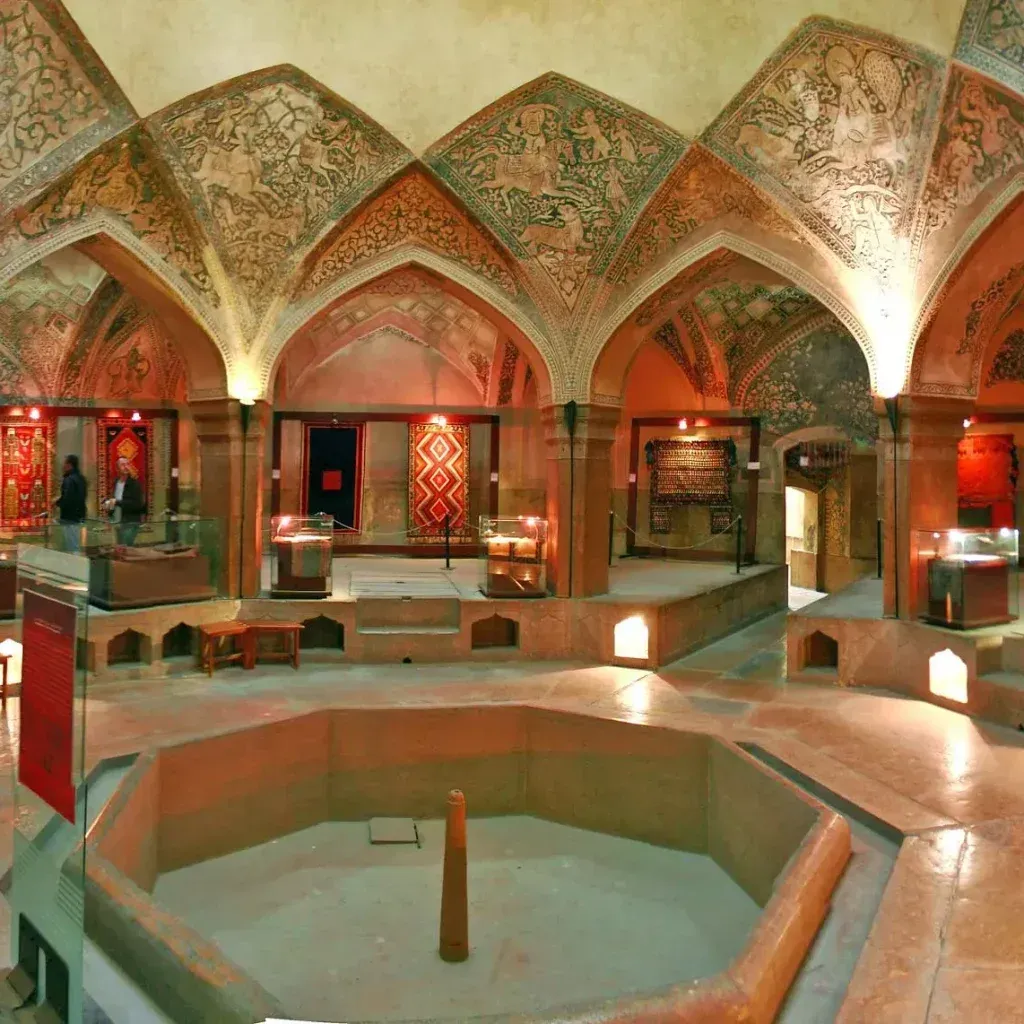
Turkish hammam history and culture has long shaped more than bathing habits, influencing social life, etiquette, and neighborhood identity across generations, as layered practices of cleansing, hospitality, and ritual performance intertwine with daily urban routines, market rhythms, and the quiet dignity of shared spaces that host conversations, greetings, and the passing of wisdom from one generation to the next. The hammam is not merely a place to wash; it is a space where bodies are cared for, conversations flow in the humid hush of warm rooms, and centuries‑old traditions are transmitted through skilled attendants, ceremonial scrubs, fragrant soaps, and a pace of cleansing that invites reflection as well as renewal. From the grand Ottoman baths of imperial capitals to intimate neighborhood rooms that welcomed families for generations, the Turkish bath culture has evolved while preserving a core sequence of heat, steam, and sociability that many people still associate with cleanliness, relaxation, and communal belonging, even as design and technology shift around it. This history traces the arc from majestic Ottoman baths to today’s modern wellness landscape, showing how a centuries‑old practice remains a living form of care that adapts to contemporary architecture, sanitation standards, and guest expectations while retaining its essential rituals, modesty, and reverence for the body. The architecture itself—domed ceilings, marble interiors, heated floors, and light filtered through skylights—tells a story of hammam architecture that harmonizes public gathering with intimate care, inviting locals and travelers to pause, cleanse, and reconnect through a sacred cadence of warmth, water, and quiet sociability.
Beyond the explicit phrase, this heritage is often described through alternative terms such as bathhouses, Turkish baths, steam rooms, and public baths, each highlighting heat, water, and the social fabric surrounding cleansing rituals. LSI‑style terms like Ottoman bath culture, hammam rituals, bathhouse architecture, and spa‑culture concepts extend the semantic field, linking traditional practice to design, care, and wellness narratives across contexts. In contemporary discourse, the tradition is reframed as a holistic wellness experience, a thermal retreat that preserves lineage while inviting new audiences to engage with mindfulness, rejuvenation, and communal care in spaces that blend heritage aesthetics with modern comfort.
Origins and Evolution of Ottoman Baths into Turkish Bath Culture and Modern Wellness
Long before the hammam became a hallmark of Turkish bath culture, communal bathing traces to Roman thermae and Byzantine bathhouses. As these ideas traveled along ancient trade routes into Anatolia, the Ottoman era refined them into a civic institution—public baths funded by guilds and patrons that served ritual purification and social gathering. The hammam's presence in a neighborhood marked welcome and daily life, a space where body and community met.
Architecturally, Ottoman baths feature sequences of rooms moving from warm to hot to cool, a sensory journey that calms muscles and mobilizes circulation. A domed ceiling, steam, marble surfaces, and light through skylights create a space that is communal yet intimate. The design embodies hammam architecture and has helped the practice endure alongside modern wellness movements.
Turkish hammam history and culture: etiquette, social life, and architectural storytelling
This phrase signals the deep etiquette and social life at the heart of hammams. Quiet conversations, modest attire, and gender-segregated hours reflect a culture that values dignity and ritual care. Beyond cleansing, the visit is a social event where neighbors catch up and elders pass down stories, integrating everyday life with Turkish bath culture.
The architecture itself tells a narrative—from warm rooms to the ornate hararet and tepid areas; arches, marble, and strategic lighting create spaces that feel ceremonial yet intimate. In many cities, the hammam functioned as a civic landmark, a place where architectural form and ritual practice intertwined to shape a shared memory that persists in today’s modern wellness spaces.
Hammam rituals and care: cleansing, kese scrubs, and restorative massages
Rituals unfold as a sequence: cleansing, then exfoliation with kese and fragrant soap, a vigorous scrub that refreshes skin and stimulates circulation. The ritual itself is a meditative routine that intertwines physical cleansing with a sense of renewal and care.
Traditionally tellak and natır guide the process; today attendants may vary, yet skilled touch remains central. The ritual is more than cleaning; it is a ceremonial form of care that fosters community, whether in a neighborhood hammam or a modern spa aligned with Turkish bath culture. In contemporary wellness settings, therapists blend traditional exfoliation with hydrotherapy and aromatherapy to enhance relaxation.
Hammam architecture: domed ceilings, marble floors, and design for wellbeing in modern spaces
The architecture celebrates water, heat, and light—domed ceilings, central hot rooms, and warm stone that invite a gradual transition through spaces. The sensory journey is an intrinsic part of the hammam experience and a hallmark of hammam architecture.
In modern wellness spaces, designers preserve core features while adding energy-efficient systems, sleek finishes, and subtle lighting to create spa-like ambience. This balance between authenticity and innovation keeps the tradition relevant in the era of contemporary spa culture and modern wellness.
Global influence: Turkish bath culture in wellness travel and spa traditions
As wellness tourism expands, Turkish bath culture has inspired spa rituals in many countries, reflecting its universal appeal: ritual cleansing, social connection, and mindful relaxation.
Travelers seek authentic Ottoman baths and hammam rituals abroad while globally integrating aromatherapy, hydrotherapy, and other spa modalities. The global dialogue reinforces that the essence of the hammam—care, community, and renewal—transcends borders in the modern wellness landscape.
Frequently Asked Questions
How did Ottoman baths shape Turkish bath culture and social life in historic cities?
Ottoman baths, or Ottoman baths, functioned as civic landmarks funded by guilds and patrons, serving as spaces for ritual purification and social gathering. Their architectural layout and sequence of rooms created a balance of communal interaction and personal privacy, making the hammam a central part of Turkish bath culture and daily life in historic cities.
What are the signature elements of hammam architecture in Ottoman-era baths?
Hammam architecture in Ottoman-era baths features a sequence of rooms—warm, hot (hararet), and cool (tepidarium)—leading visitors through a sensory journey. Central domed or vaulted ceilings, marble surfaces, skylights, and carefully placed heating and moisture create a space that is both communal and intimate, embodying the distinctive hammam architecture.
What are the main steps of hammam rituals and the roles of tellak and natır in Turkish bath culture?
A typical hammam ritual begins with cleansing in a warm room, followed by a kese exfoliation with soap, a rinse, and often a massage. Traditionally, tellak (male attendant) performs scrubs and massages, while natır (often female attendant) assists with washing. These rituals are not only cleansing but also social and ceremonial, reflecting Turkish bath culture’s etiquette and warmth.
How has Turkish hammam history evolved from imperial baths to modern wellness spaces?
Turkish hammam history shows a shift from imperial baths serving as civic and social centers to modern wellness spaces that retain the core cleansing and relaxation rituals. Today’s hammams incorporate new materials, hydrotherapy, aromatherapy, and energy-efficient design, blending traditional practices with modern wellness to attract travelers and locals while preserving heritage.
Why does authentic hammam architecture matter for preserving Turkish bath culture in today’s spa landscape?
Authentic hammam architecture matters because it sustains the ritual flow, privacy, and atmosphere that define Turkish bath culture. Preserving domed ceilings, stone and tile finishes, and the sequence of spaces helps convey cultural identity in today’s spa environment, ensuring that modern wellness spaces remain meaningful extensions of a centuries-old tradition.
| Aspect | Key Points |
|---|---|
| Origins and Evolution | Communal baths tradition; Roman thermae and Byzantine bathhouses influenced early ideas of steam and sociable cleansing; Ottoman era made baths civic landmarks and neighborhood hubs signifying welcome and daily life. |
| Architecture | Ottoman baths feature a sequence of rooms from warm to hot to cool; marble steam rooms, hot hararet, and tepidarium create a climate that relaxes muscles and stimulates circulation; domed ceilings and skylights balance light with privacy. |
| Hammam Rituals and Social Life | Rituals typically include cleansing, exfoliation with kese and aromatic soap, rinses, and optional massage; tellak (male attendant) and natır (female attendant) roles persist, and hammams remain social spaces for conversation and community. |
| Culture, Etiquette, and Everyday Life | Etiquette emphasizes modesty, quiet conversations, appropriate swimwear when required, and privacy; gender separation in traditional settings shapes daily social rhythms. |
| From Empire to Modern Wellness | Hammams evolved from civic institutions into modern wellness spaces, preserving core cleansing rituals while adopting new materials, technologies, and broader accessibility. |
| Modern Wellness Features | Today’s hammams offer heated floors, advanced ventilation, and spa services; traditional exfoliation and massage are often combined with hydrotherapy, aromatherapy, and essential oils for broader appeal. |
| Architecture in Modern Wellness Spaces | Modern hammams honor water, heat, and light; domed ceilings persist alongside contemporary materials and energy-efficient systems, balancing authenticity with experimentation. |
| Global Context | Turkish spa traditions inspire global practices as wellness tourism grows; rituals are shared, adapted, and reinterpreted across cultures while maintaining core values of care and communal cleansing. |
| Why Hammam Remains Essential | Ritual cleansing offers rest, reflection, and social connection, supporting stress management, circulation, and skin health, while fostering belonging and shared heritage. |
| Preserving Heritage & Embracing Change | The best hammams balance respect for history with present-day needs through design cues, archival storytelling, improved sanitation, eco-friendly materials, and digitally managed services that preserve ritual essence. |
Summary
Turkish hammam history and culture offers a rich tapestry of communal care, ritual cleansing, and social belonging that spans centuries. From imperial baths to neighborhood hammams to today’s wellness-minded spaces, the practice has adapted in design, rituals, and social meaning while preserving its core sense of ritual and belonging. Architecture, etiquette, and generous hospitality weave together to make the hammam a living tradition that welcomes locals and travelers alike. In the modern era, the practice persists through heated floors, refined services, and a continued emphasis on cleanliness, relaxation, and communal conversation. In short, Turkish hammam history and culture remains a dynamic cultural practice that bridges history and contemporary well-being.